



insurance cover mechanical repairs made practical for cautious drivers

I prefer predictable costs over surprises, so I look for coverage that pairs reliability with shop expertise. Good policies do both, and they spell out how mechanical failures are handled before anything breaks.

What this coverage really means

Policies labeled as mechanical breakdown insurance (MBI) or a mechanical repair endorsement pay for parts and labor when a covered component fails due to a defect or sudden breakdown. It's not routine maintenance. The best setups use certified technicians and clear labor-rate caps, so estimates don't spiral.

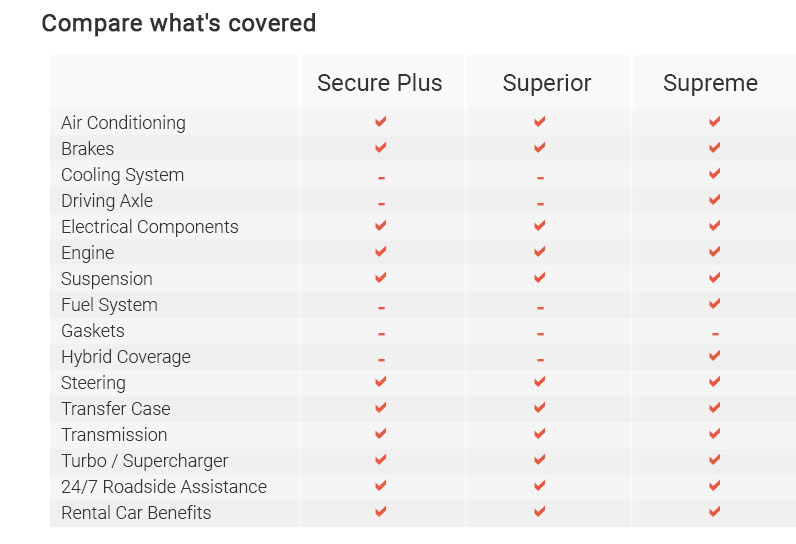
  • Engine and drivetrain: internal lubricated parts, timing components, water pump, turbo/supercharger (if listed).
  • Transmission/transfer case: clutches (varies), valve body, torque converter, internal seals.
  • Electrical and electronics: alternator, starter, control modules, infotainment (sometimes limited).
  • HVAC: compressor, condenser, blend doors; refrigerant if tied to a covered repair.

What it usually does not cover

  • Wear items like brake pads, wiper blades, tires, and clutches (often excluded).
  • Maintenance: oil changes, filters, belts unless damaged by a covered failure.
  • Neglect or improper mods: skipped services, tune chips without approval.
  • Pre-existing issues and failures during waiting periods.
  • Cosmetic damage or squeaks/rattles without mechanical failure.

How claims typically work

  1. Secure the car; avoid driving if further damage is likely.
  2. Contact the insurer for pre-authorization and confirm an approved shop.
  3. Diagnostic performed; some policies cover the fee if the repair is approved.
  4. Estimate sent to adjuster; labor hours and parts type (OEM vs aftermarket) are verified.
  5. Repair completed; insurer pays shop directly or reimburses you minus the deductible.
  6. Keep detailed invoices and parts lists for future reference.

A quick moment from the road

Rain, rush hour, a sudden battery light - then a chirp under the hood. I paused - was that covered? I checked my card, called the hotline, and they towed me to an approved shop. An ASE master tech confirmed a seized alternator and a cooked belt; the insurer authorized diagnostics and covered parts and labor after my modest deductible. I drove away the next day with receipts, relieved that the process was boring in the best way.

Key terms that actually matter

  • Deductible: per-visit vs per-component can change your math.
  • Limits: per-claim and aggregate caps; ask about maximum payout.
  • Labor rate caps: regional ceilings affect out-of-pocket exposure.
  • Diagnostic coverage: paid only if a covered repair follows, in many policies.
  • Consequential damage: coverage if one failed part ruins another.
  • Betterment: partial cost shifted to you if the repair increases value.
  • Parts type: OEM, reman, or quality aftermarket; some allow customer choice.
  • Rental/tow: daily and total limits, plus roadside triggers.
  • Waiting period/mileage: ensure you're past it before relying on coverage.
  • Service proof: logs, receipts, and timestamps; digital records help.

Choosing coverage conservatively

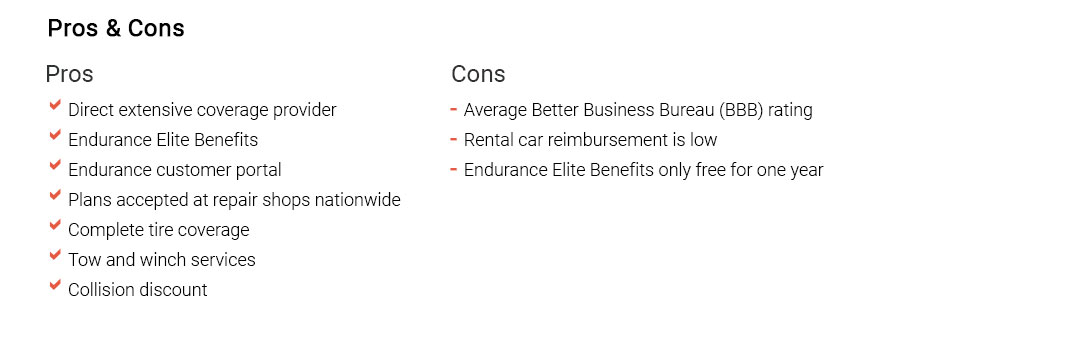
Match the plan to the car's age, mileage, and known reliability. Short commute? Lower risk. Aging turbo motor? Higher risk. I favor policies that publish labor guides and let me see approved networks up front.

  • Confirm shop network and whether you can use a trusted independent with certifications.
  • Review exclusions word-for-word; highlight anything tied to "wear" or "pre-existing."
  • Check claim hours and after-hours processes for breakdowns far from home.
  • Run the numbers: expected failure rates vs premium + deductible.

Smart maintenance habits that support claims

  • Keep oil, coolant, and transmission service records; note mileage and dates.
  • Use fluids meeting the exact spec; save bottles or photos of labels.
  • Scan codes early; unresolved warnings can trigger denial for "neglect."
  • Address leaks quickly; secondary damage from continued driving is often excluded.
  • Complete recalls and TSBs; they can prevent repeat failures.

Red flags to reconsider

  • Vague "bumper-to-bumper" language with dense fine print.
  • Mandatory tear-down at your expense if not approved afterward.
  • Slow authorization windows that strand the car on a lift.
  • Too-good-to-be-true "lifetime" claims without clear limits.

Quick comparisons

  • MBI/repair endorsement: insurance-style regulation; often broader failure coverage.
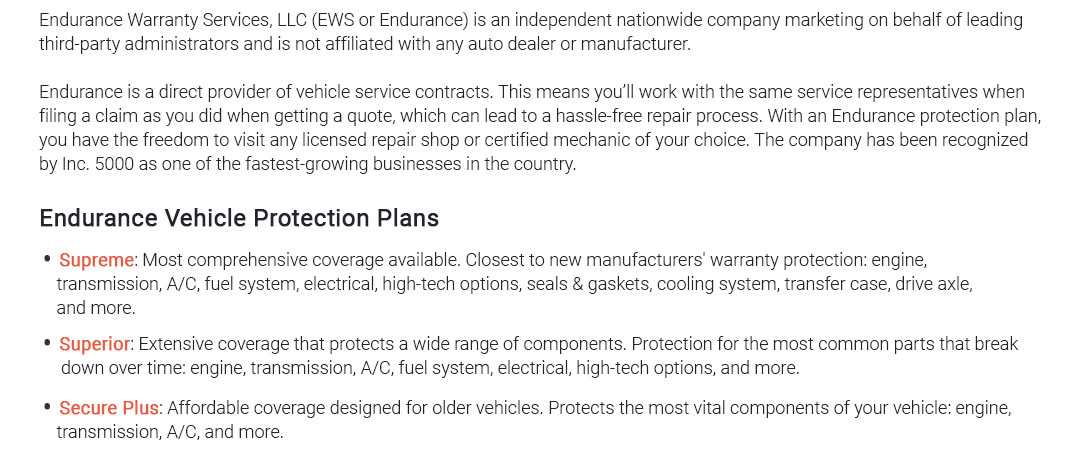
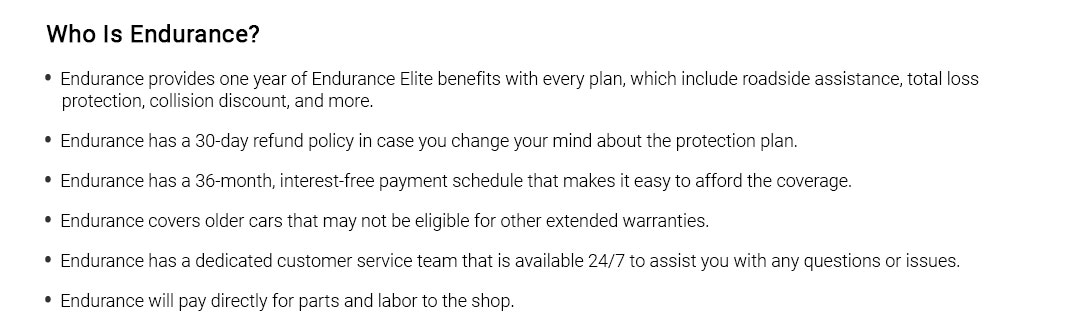
  • Extended warranty/service contract: contract with exclusions; quality varies by provider.
  • Roadside assistance: towing and jump-starts only; not repairs.
  • Factory powertrain warranty: strongest for engine/trans while active; ends with term/miles.

Bottom line

If you value predictability, mechanical repair coverage can turn a major failure into a planned expense. Prioritize expert technicians, transparent limits, and documented maintenance. Read, verify, and only then rely - calm, methodical steps that keep you on the road and your budget steady.

https://clubagency.com/blog/will-my-car-insurance-offer-coverage-for-mechanical-problems/
Your car insurance provides coverage for mechanical problems, such as damage to the transmission, engine, or mechanical parts caused by accident ...

https://lainsurance.com/blog/does-insurance-cover-auto-repairs
No, full coverage insurance does not cover mechanical repairs unless the issue is related to a covered accident or event. Mechanical breakdowns ...

https://www.trustage.com/learn/property-insurance/mechanical-repair-coverage
or mechanical breakdown insurance could help! ... for things like ...


atwratnwm
4.9 stars -1681 reviews